
Convallaria majalis (Lily-of-the-Valley)
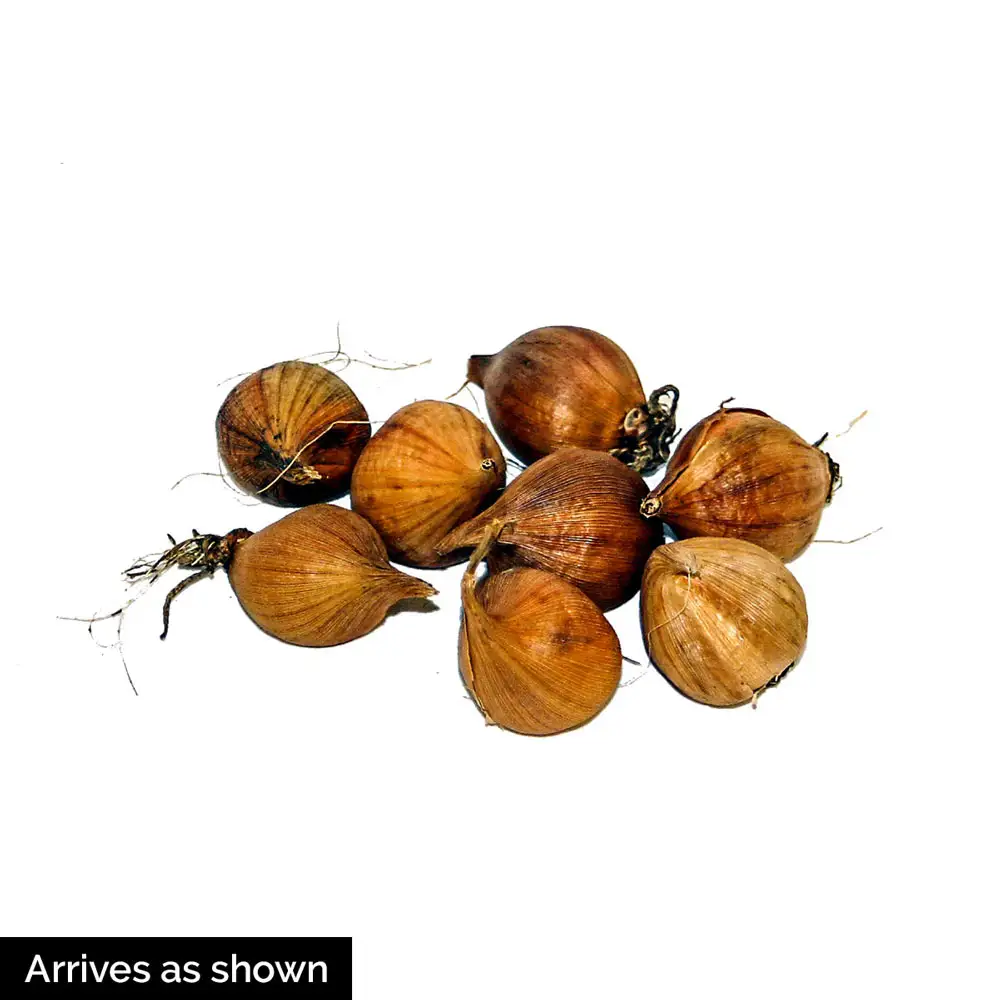
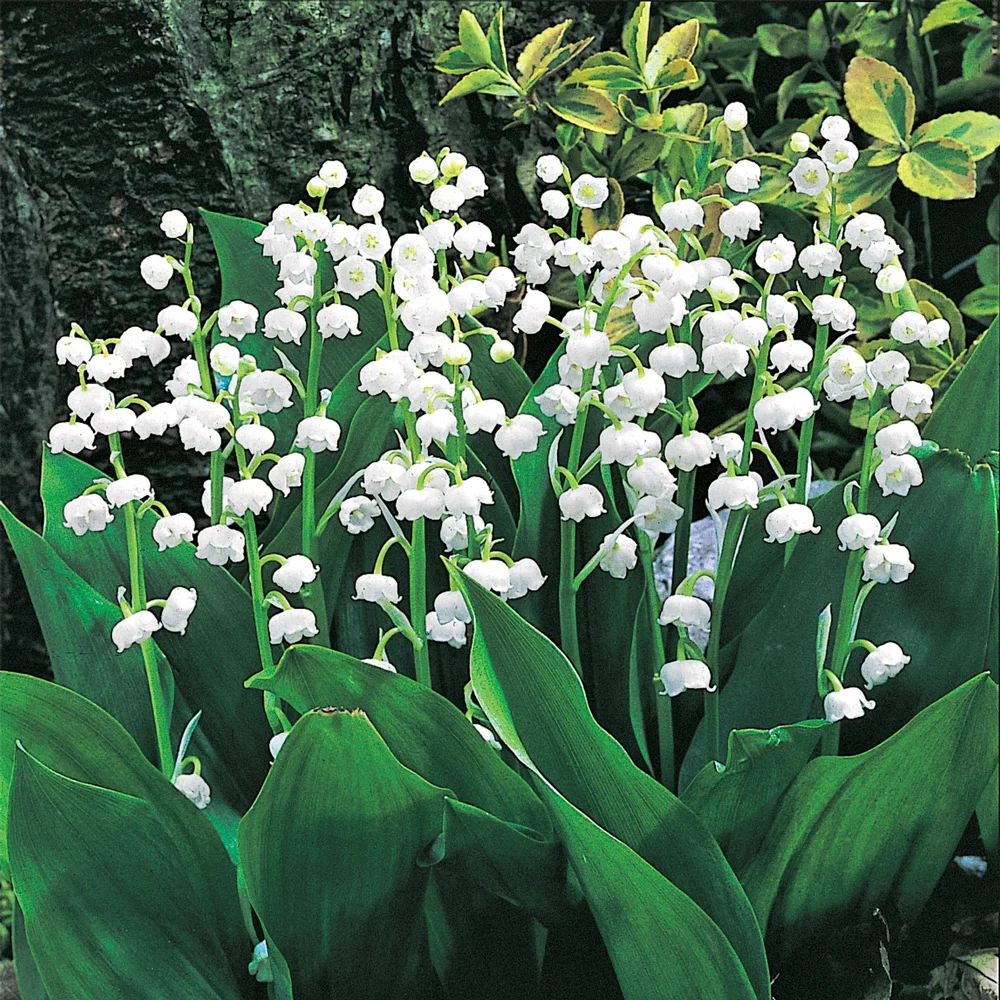
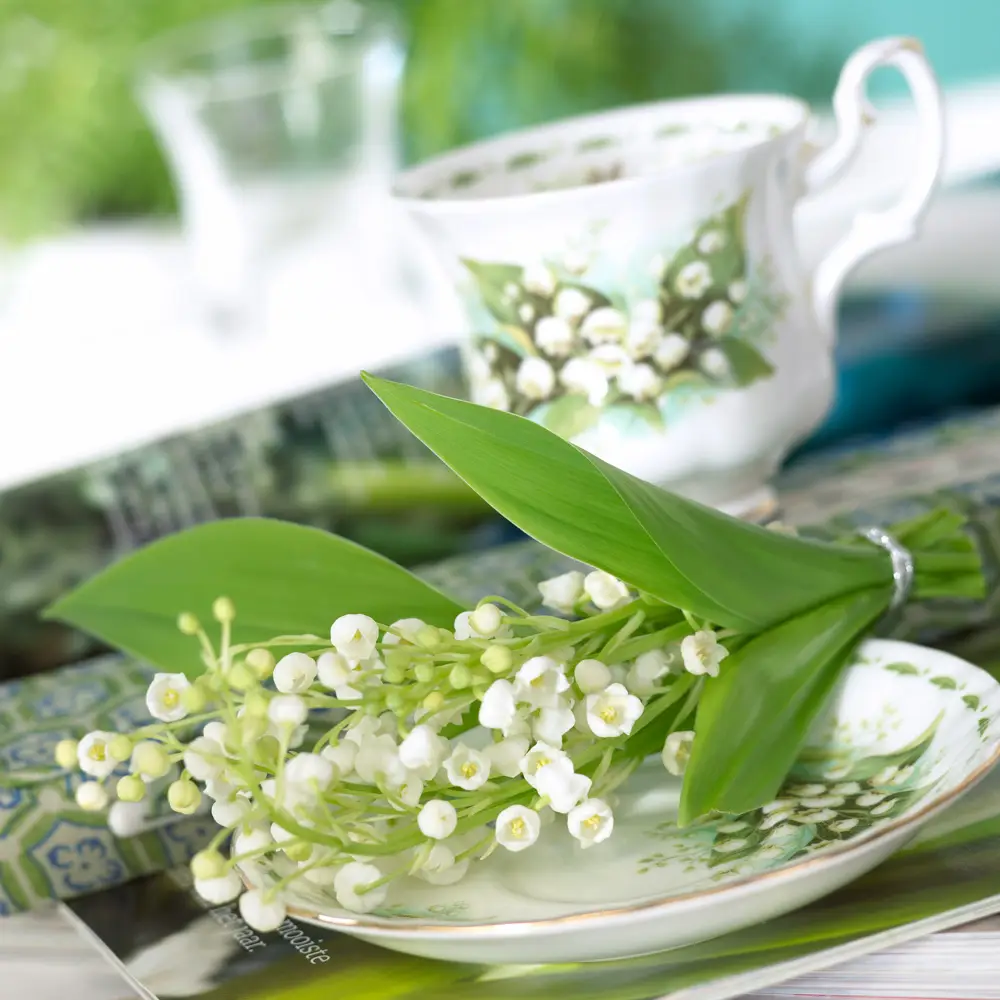
Add charm to shaded areas with this easy-to-grow perennial. Convallaria majalis, also known as Lily-of-the-Valley, features fragrant, white, bell-shaped flowers that bloom in late spring to early summer. Its flowers add charm to cut-flower displays. Growing 6-8" tall, Convallaria majalis is often grown as a ground cover. It forms a lush green carpet of attractive foliage. Hardy and carefree, this shade perennial thrives even in moist areas where grass won't grow. It's also a great container plant. Although the plant pips may not flower the first season, they will naturalize and multiply in future seasons. Deer tend to pass it by.
Original: $44.50
-70%$44.50
$13.35More Images





Convallaria majalis (Lily-of-the-Valley)
Add charm to shaded areas with this easy-to-grow perennial. Convallaria majalis, also known as Lily-of-the-Valley, features fragrant, white, bell-shaped flowers that bloom in late spring to early summer. Its flowers add charm to cut-flower displays. Growing 6-8" tall, Convallaria majalis is often grown as a ground cover. It forms a lush green carpet of attractive foliage. Hardy and carefree, this shade perennial thrives even in moist areas where grass won't grow. It's also a great container plant. Although the plant pips may not flower the first season, they will naturalize and multiply in future seasons. Deer tend to pass it by.
Product Information
Product Information
Shipping & Returns
Shipping & Returns
Description
Add charm to shaded areas with this easy-to-grow perennial. Convallaria majalis, also known as Lily-of-the-Valley, features fragrant, white, bell-shaped flowers that bloom in late spring to early summer. Its flowers add charm to cut-flower displays. Growing 6-8" tall, Convallaria majalis is often grown as a ground cover. It forms a lush green carpet of attractive foliage. Hardy and carefree, this shade perennial thrives even in moist areas where grass won't grow. It's also a great container plant. Although the plant pips may not flower the first season, they will naturalize and multiply in future seasons. Deer tend to pass it by.